
Research Roundup-What's a good warmup?
By Ken Berger
You keep hearing that you should warm up, but what does that mean? Here’s what recent research and expert guidance actually say, in plain language.
Dynamic beats static (before you move)
Across multiple sources, there’s strong agreement: dynamic, movement-based warmups are a better choice than long static holds before you exercise.
Dynamic stretching (like walking lunges, leg swings, arm circles) warms your muscles, raises body temperature, and rehearses the movements you’re about to do, which can improve range of motion and performance without the strength drop that sometimes follows long static stretching.
Further Reading:
https://pmc.ncbi.nlm.nih.gov/articles/PMC10289929/
Warmups help performance and may lower injury risk
A 2023 narrative review in Sports Medicine reports that warmups including dynamic stretching can improve joint range of motion and are associated with lower injury rates in athletes, especially in sports that demand large ranges like sprinting, serving, or kicking.
Other research on aerobic warmups with or without stretching suggests that simply warming up — raising heart rate and muscle temperature — supports muscle function and may help protect muscles and tendons from strain, even when strength measures don’t change dramatically on testing.
Further Reading:
https://pmc.ncbi.nlm.nih.gov/articles/PMC10289929/
https://pmc.ncbi.nlm.nih.gov/articles/PMC5833972/
Joint and arthritis experts are firmly pro–warmup
Orthopedic and arthritis organizations emphasize that a 5–15 minute warmup is not optional, especially if you have joint pain or osteoarthritis.
They highlight that gentle, dynamic warmups increase blood flow, raise muscle and joint temperature, and improve soft-tissue flexibility, which can reduce pain and stiffness and lower the chance of aggravating sore joints.
Further Reading:
https://www.pinnacle-ortho.com/why-is-it-important-to-warm-up-before-exercising
For everyday movers, not just athletes
Physical therapy and orthopedic clinics frame dynamic warmups as a basic injury-prevention tool for anyone who wants to stay active, not just competitive athletes.
They recommend simple, activity-specific moves (like squats, lunges, and arm circles) to boost circulation, coordination, and reaction time, so you feel more prepared and less “shocked” when the real effort starts.
Further Reading:
https://www.primesurgicalsuites.com/blog/why-dynamic-stretching-is-the-secret-to-injury-prevention
https://www.pinnacle-ortho.com/why-is-it-important-to-warm-up-before-exercising
Brain and breath matter too
A “brain-centric” approach to warmups suggests that how safe your nervous system feels can change how freely you move.
When visual, balance, and body-position systems are trained together — and paired with calm breathing — the brain gets a clearer message that movement is safe, which can free up more comfortable range of motion that lasts beyond the warmup.
Further Reading:
https://www.nextlevelneuro.com/blog/brain-centric-warm-ups-vs-traditional-movement-preparation
https://www.hotasanayogastudio.com/blog/breathwork-basics-your-nervous-systems-reset-button
Stress and breath can make or break your warmup
Chronic stress can keep your nervous system in fight-or-flight, leading to tight muscles, shallow breathing, and slower recovery, which makes movement feel harder than it should.
Slow, deliberate breathing with longer exhales has been shown to activate the “rest and digest” side of the nervous system, reducing muscle tension and helping your body absorb the benefits of your warmup instead of fighting them.
Further Reading:
https://www.cnn.com/2026/01/14/health/chronic-stress-affects-exercise-goals-wellness
https://www.hotasanayogastudio.com/blog/breathwork-basics-your-nervous-systems-reset-button
If you want one simple takeaway: A good warmup is 5–15 minutes of easy movement and dynamic stretches that look like what you’re about to do, paired with calm, steady breathing.
–
For more of the latest longevity-focused content to help you live a longer, better life, subscribe to my free newsletter.

Want To Learn More First? Download A FREE Copy Of My Best-Selling Book ... Stronger After 60!
My new best-selling book, Stronger After 60, is your ultimate guide to optimal health, fitness and longevity through the power of science and healthy habits.
Stronger After 60 will change the way you think about aging. This book is designed for real people who want simple solutions to maintain their strength and youthful energy while enjoying the best things in life without restriction. It’s your roadmap to longevity, wellness and enjoying your 60s and beyond like someone half your age.
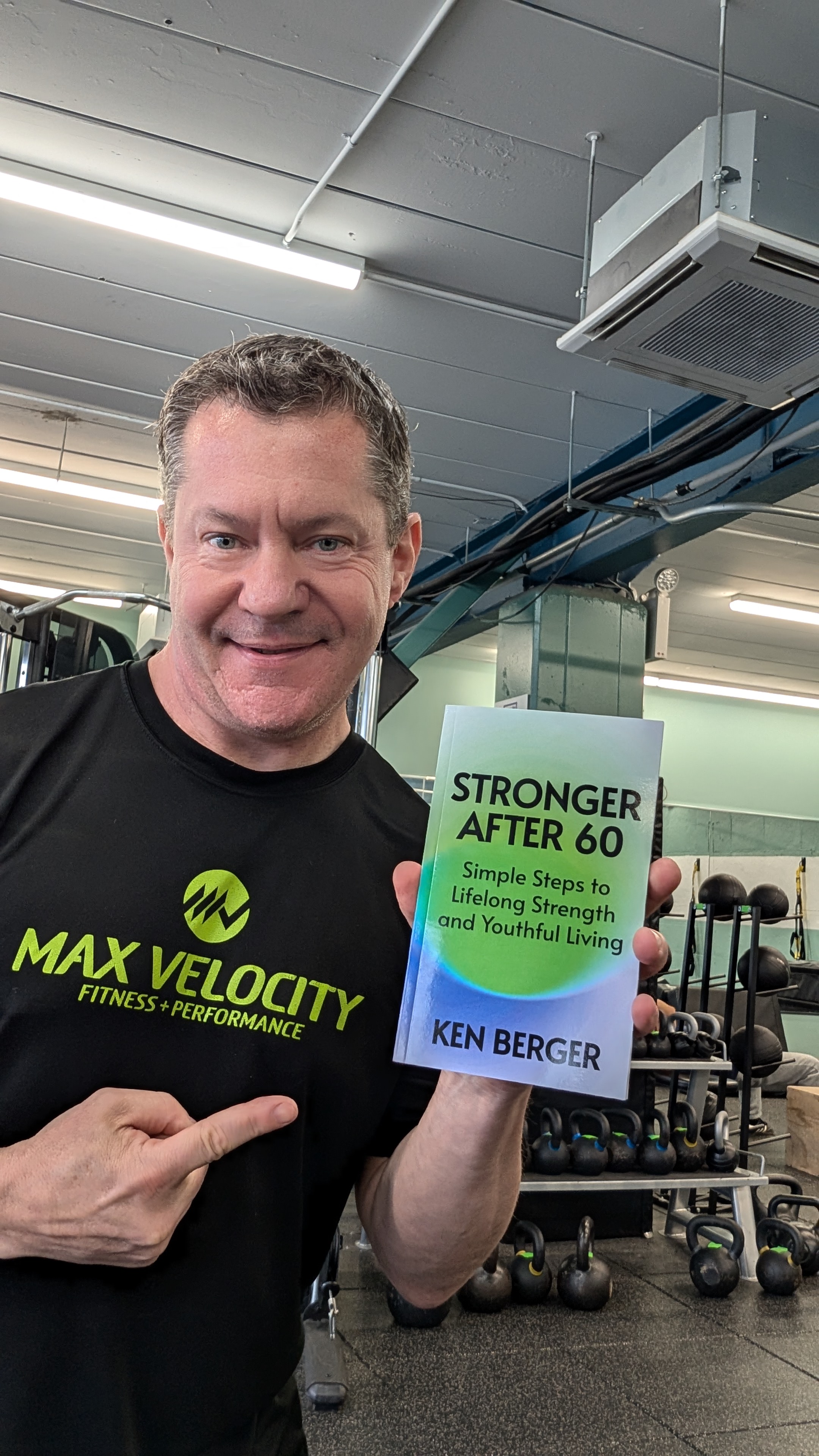
And TODAY, You Can Get Your Very Own Copy of Stronger After 60 ... for FREE!
Just click the button below, fill out your info, and a copy of Stronger After 60
will be on its way to your inbox in seconds!
Don't miss out on this life-changing opportunity. Get your FREE copy of Stronger After 60 NOW.

Max Velocity Fitness + Performance © 2023 . Privacy Policy

